As environmental concerns become central to building decisions, low-carbon and climate-responsive design features are gaining prominence in residential construction. New industry data highlights how modular homes offer distinct advantages in both resource efficiency and performance outcomes that align with these priorities.
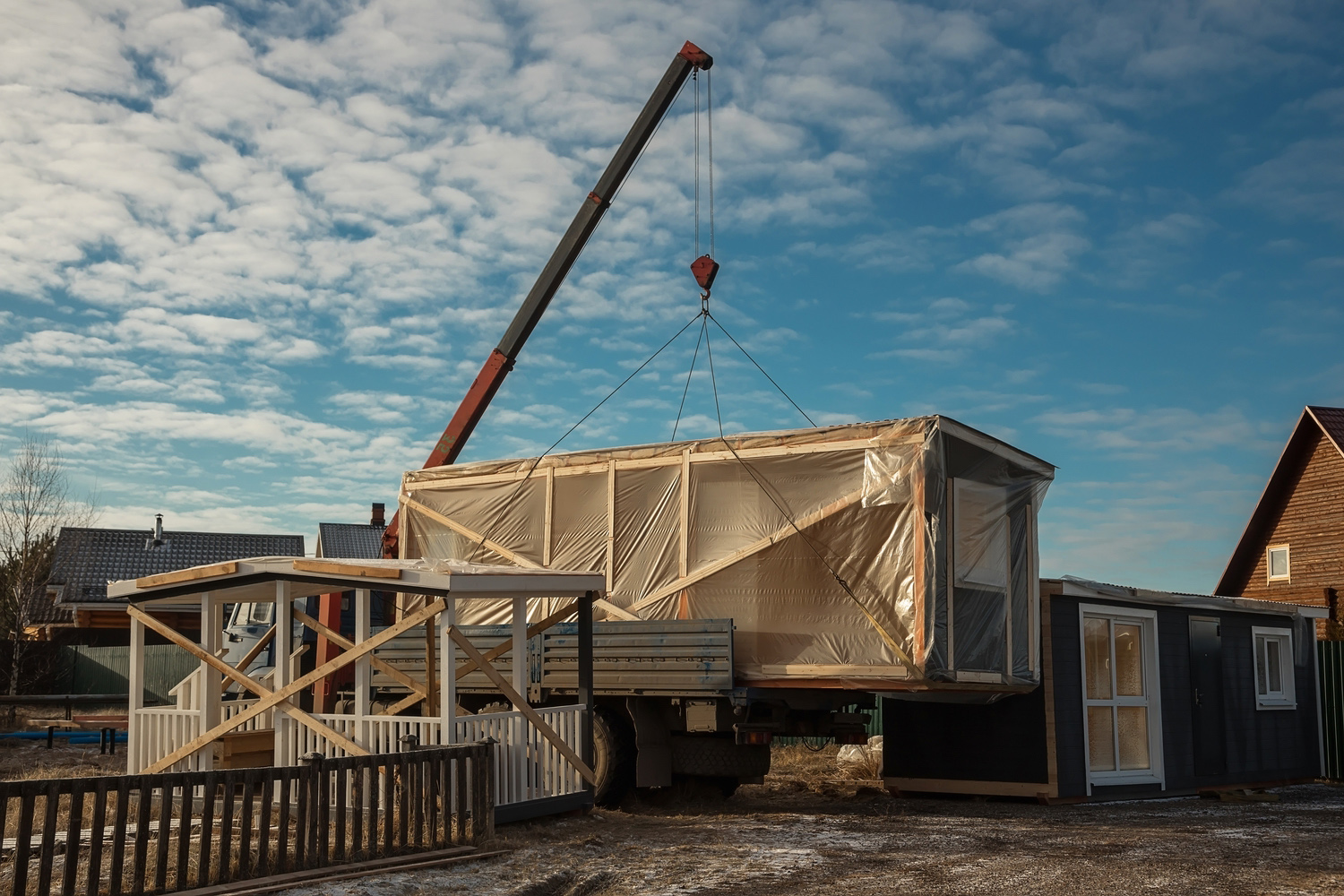
Factory-based production significantly reduces the amount of onsite waste generated during construction, while careful planning in the design phase minimises material excess. Manufacturing modules under controlled conditions also provides opportunities to optimise energy performance through improved insulation, precision sealing, and reduced thermal bridging. These design choices contribute to lower operational energy use over the life of the home.
Further benefits are realised through adaptability. Modular homes can be designed with future-proofing in mind, from passive solar orientation to flexible internal layouts that respond to changing needs. The ability to integrate sustainable technologies and resilient features early in the process supports better outcomes for occupants and the environment alike.
As homeowners and developers increasingly prioritise climate-responsive buildings, modular construction is positioned to deliver homes that are not only efficient to build, but also efficient to live in.